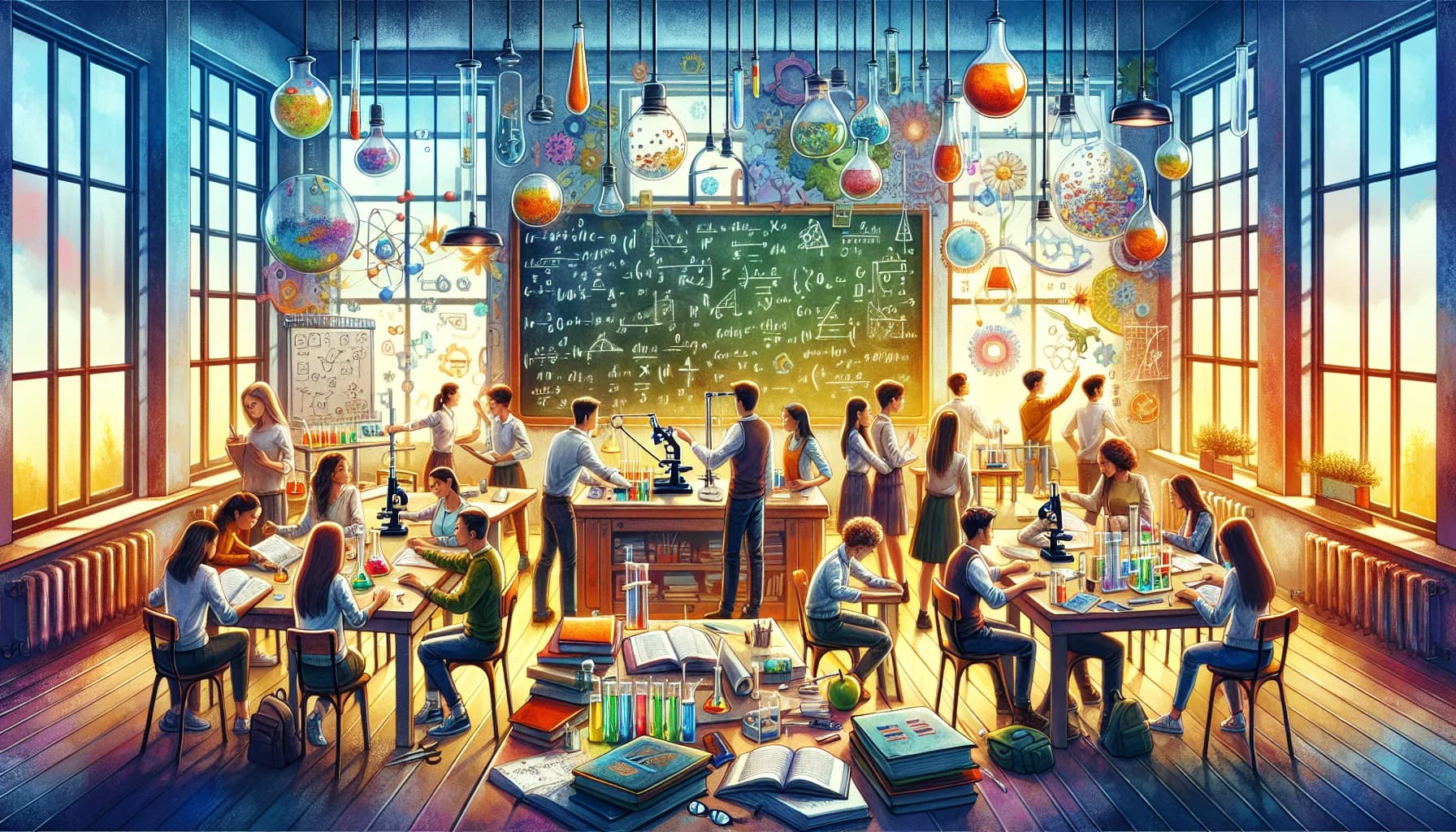
Integrating Science and Education: Unlocking Future Innovators
Explore how integrating science and education fosters innovation, empowering the next generation of thinkers and problem-solvers for a brighter future.
Introduction to Science and Education
Science and education are two integral components of society that shape our understanding of the world and pave the way for future innovations. The relationship between science and education is profoundly reciprocal; education serves to disseminate scientific knowledge, while scientific advances often inform educational methodologies. In this article, we will delve into the significance of science in education, explore historical perspectives, current trends, and challenges, as well as discuss innovative teaching methods and the future of science education.
Importance of Science in Education
The role of science in education cannot be overstated. It fosters critical thinking, problem-solving skills, and a deeper understanding of the natural world. Here are some of the key reasons why science is vital in education:
- Enhances Critical Thinking:Science teaches students to analyze data, evaluate evidence, and make informed decisions.
- Promotes Inquiry:It encourages curiosity and the pursuit of knowledge, allowing students to ask questions and seek answers.
- Real-World Applications:Scientific knowledge is applicable in everyday life, from understanding health and nutrition to environmental issues.
- Foundation for Future Careers:Science education prepares students for various careers in technology, engineering, medicine, and research.
Historical Perspectives
The history of science education is rich and varied, evolving from rudimentary forms of teaching to structured curricula in modern educational institutions. Key historical milestones include:
- Ancient Civilizations:Early forms of scientific education can be traced back to ancient Egypt, Greece, and China, where philosophical teachings and practical knowledge were passed down.
- The Scientific Revolution:In the 16th and 17th centuries, figures like Galileo and Newton revolutionized scientific thought, leading to a greater emphasis on empirical evidence and experimentation in education.
- 19th Century Developments:The establishment of formal science education in schools and universities marked a significant shift, with a focus on the scientific method.
- 20th Century Reforms:The introduction of progressive education emphasized hands-on learning and inquiry-based approaches, shaping modern science curricula.
Current Trends in Science Education
In today’s rapidly advancing world, science education is continually evolving. Current trends include:
- Emphasis on STEM:There is a growing focus on Science, Technology, Engineering, and Mathematics (STEM) education to prepare students for future careers.
- Inquiry-Based Learning:This method encourages students to engage in scientific inquiry, fostering a deeper understanding of concepts through exploration and experimentation.
- Incorporating Real-World Issues:Educators are increasingly integrating environmental, health, and technological issues into science curricula to make learning relevant.
- Collaboration and Communication:Students are encouraged to work in teams and communicate their findings, reflecting the collaborative nature of modern scientific research.
Integrating Science into the Curriculum
Integrating science into the broader curriculum is essential for creating a holistic learning experience. This approach allows students to make connections across disciplines and apply scientific knowledge in various contexts.
Interdisciplinary Approaches
Interdisciplinary education combines the insights and methodologies of different fields, enriching the learning experience. Some effective interdisciplinary approaches in science education include:
- STEAM Education:Incorporating arts into STEM encourages creativity and innovation in scientific thinking.
- Project-Based Learning:Engaging students in projects that require knowledge from multiple disciplines, such as environmental science projects that also touch on economics and social studies.
- Collaborative Curriculum Design:Teachers from different subject areas working together to create cohesive lesson plans that incorporate science with literature, history, and math.
Hands-on Learning Experiences
Hands-on learning, or experiential education, allows students to engage directly with scientific concepts through practical applications. This method has several advantages:
- Enhanced Engagement:Students are more likely to be engaged and motivated when they can participate actively in their learning.
- Improved Retention:Learning by doing helps students better retain information as they connect it with real-life experiences.
- Development of Skills:Hands-on activities promote critical skills such as teamwork, problem-solving, and adaptability.
Technology in Science Education
Technology plays a crucial role in modern science education. With the integration of digital tools, educators can enhance teaching and learning experiences:
- Interactive Simulations:Virtual labs and simulations allow students to experiment safely and explore complex scientific concepts.
- Online Resources:Access to a wealth of scientific literature, databases, and educational websites supports self-directed learning.
- Data Analysis Tools:Software and applications designed for data collection and analysis help students engage with scientific research more effectively.
Challenges in Science Education
Accessibility and Equity Issues
Access to quality science education is not uniform across different demographics and regions, leading to significant equity issues:
- Resource Disparities:Schools in low-income areas often lack the necessary resources, such as lab equipment and qualified teachers.
- Curriculum Gaps:Some students may not have access to advanced science courses, limiting their preparation for higher education and STEM careers.
- Language Barriers:Non-native speakers may struggle to grasp scientific terminology, creating additional challenges in understanding concepts.
Teacher Training and Resources
Effective science education relies heavily on well-trained teachers. However, many educators face challenges, including:
- Lack of Professional Development:Many teachers do not receive ongoing training in the latest scientific advancements or teaching methodologies.
- Insufficient Resources:Educators may lack access to teaching materials, laboratory equipment, or support personnel to facilitate effective science instruction.
- Burnout and Retention:High workloads and low salaries can lead to teacher burnout, resulting in high turnover rates in science education.
Student Engagement and Motivation
Keeping students engaged in science can be challenging, especially in traditional classroom settings. Factors affecting student motivation include:
- Relevance to Students' Lives:Students may struggle to see the real-world applications of scientific concepts, leading to disengagement.
- Teaching Methods:Traditional lectures may not capture the interest of all students, necessitating more dynamic and interactive approaches.
- Diverse Learning Styles:Catering to different learning styles can be difficult, but it is essential for reaching all students effectively.
Innovative Teaching Methods
To address the challenges in science education and enhance student learning, educators are increasingly adopting innovative teaching methods. These methods focus on fostering engagement, critical thinking, and collaboration among students.
Project-Based Learning
Project-Based Learning (PBL) is an instructional methodology that encourages students to learn by actively engaging in real-world and personally meaningful projects. Key characteristics of PBL include:
- Real-World Relevance:Projects are connected to real-world issues, making learning more meaningful.
- Collaboration:Students work in teams, developing teamwork and communication skills.
- Student Agency:Learners have a say in their projects, fostering a sense of ownership and motivation.
Inquiry-Based Learning
Inquiry-Based Learning (IBL) emphasizes students’ questions and curiosity as the foundation for learning. This approach promotes critical thinking and allows learners to take charge of their education:
- Question-Driven:Students are encouraged to ask questions and formulate hypotheses, engaging them in the scientific process.
- Exploratory Learning:Students conduct experiments and research to find answers, honing their investigative skills.
- Reflective Practices:Learners reflect on their findings, promoting deeper understanding and retention of knowledge.
Flipped Classroom Models
The Flipped Classroom model reverses traditional teaching methods, allowing students to learn content at home and engage in hands-on activities in class. This model offers several benefits:
- Flexible Learning:Students can learn at their own pace, revisiting challenging concepts as needed.
- Enhanced Classroom Interaction:Class time can be used for discussions, group work, and practical applications, promoting greater engagement.
- Empowered Teachers:Educators can focus on facilitating learning rather than delivering lectures, fostering a more interactive and supportive environment.
The Future of Science Education
The future of science education is poised for transformation as emerging trends and technologies reshape the landscape. Preparing students for a dynamic and interconnected world is crucial.
Emerging Trends and Technologies
Several trends are influencing the future of science education, including:
- Artificial Intelligence:AI tools are increasingly being used to provide personalized learning experiences and data analysis capabilities.
- Virtual Reality:VR technology offers immersive experiences for students, allowing them to explore complex scientific concepts in a virtual environment.
- Global Collaboration:Online platforms enable students to collaborate with peers worldwide, promoting diverse perspectives and cultural understanding.
Global Perspectives on Science Education
Science education is a global endeavor, with different countries adopting various approaches to improve their systems. Key considerations include:
- International Assessments:Programs like PISA (Programme for International Student Assessment) provide valuable data on science education outcomes across countries.
- Cultural Relevance:Adapting science curricula to reflect local contexts and cultures enhances student engagement and understanding.
- Collaboration Among Nations:Global partnerships and exchanges can lead to shared best practices and innovations in science education.
Preparing Students for STEM Careers
As the demand for STEM professionals continues to grow, science education plays a pivotal role in preparing students for future careers. Effective strategies include:
- Career Awareness Programs:Introducing students to various STEM careers early on can inspire interest and motivate them to pursue related studies.
- Internships and Mentorships:Providing students with opportunities to gain real-world experience and guidance from professionals can enhance their career readiness.
- Collaboration with Industry:Partnerships between educational institutions and industry can inform curricula and ensure that students acquire relevant skills.
In conclusion, science education is a dynamic and critical component of a well-rounded education. By understanding its importance, integrating innovative teaching methods, addressing challenges, and preparing students for the future, we can cultivate a generation of scientifically literate individuals equipped to tackle the complex issues of tomorrow.
Written by Abdul Qudoos
Content creator and writer passionate about sharing knowledge.
View all posts →