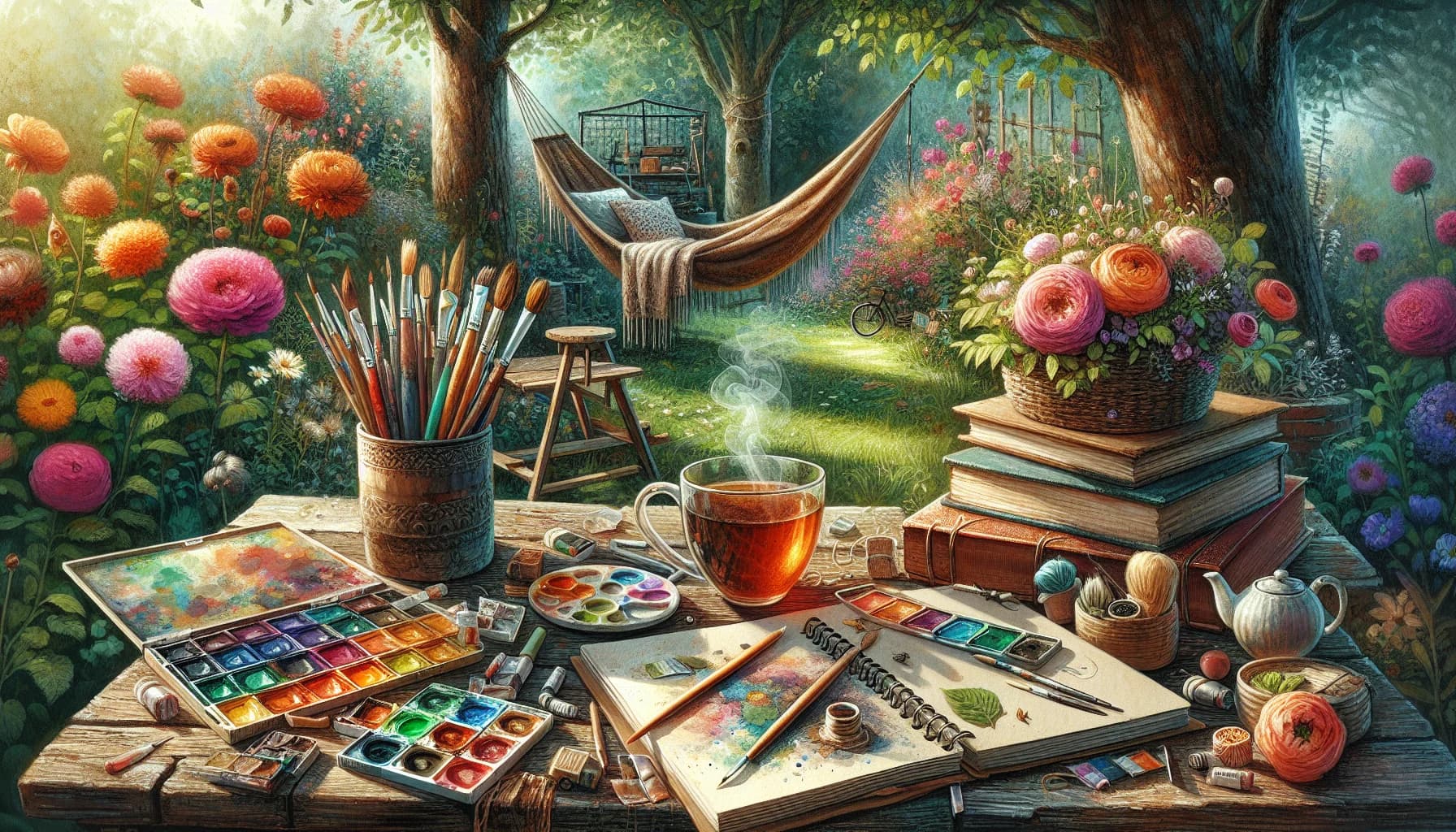
Top 10 Hobbies for Relaxation and Personal Growth in 2023
Discover the top 10 hobbies for relaxation and personal growth in 2023. Unwind and elevate your well-being with these fulfilling activities!
1. Understanding Hobbies and Leisure
1.1 Definition of Hobbies
A hobby is an activity that is done regularly in one's leisure time for pleasure. Hobbies are often pursued for the joy they bring rather than for financial gain. They can take many forms, ranging from arts and crafts, reading, and gardening to sports and video gaming. The essence of a hobby lies in its ability to provide a break from the routine of daily life, allowing individuals to engage in something they are passionate about.
1.2 Importance of Leisure Time
Leisure time is crucial for maintaining a balanced and fulfilling life. It provides individuals with the opportunity to decompress from the stresses of work and daily responsibilities. During leisure time, people can explore their interests, spend time with loved ones, and engage in activities that promote relaxation and enjoyment.
Research indicates that leisure activities contribute significantly to overall well-being. They foster creativity, enhance interpersonal relationships, and improve life satisfaction. In a fast-paced world, making time for leisure is essential for mental and emotional health.
1.3 The Psychology Behind Hobbies
The psychological benefits of hobbies are profound. Engaging in hobbies can lead to increased feelings of happiness and fulfillment. Activities that require focus and creativity stimulate the brain, leading to the release of dopamine, a neurotransmitter associated with pleasure and reward. Moreover, hobbies can serve as a form of escape from daily pressures, providing a necessary mental break.
Hobbies also offer opportunities for personal growth. They encourage individuals to develop new skills, enhance existing ones, and build self-esteem through achievement. By allowing people to explore their identities and interests, hobbies can play a significant role in personal development and self-discovery.
2. Popular Hobbies Around the World
2.1 Creative Hobbies
Creative hobbies encompass a wide range of activities that allow individuals to express themselves artistically. Some popular creative hobbies include:
- Painting and Drawing:Whether using watercolors or charcoal, visual arts provide an outlet for self-expression.
- Writing:Creative writing, blogging, and journaling offer ways to articulate thoughts and ideas.
- Music:Playing an instrument or singing helps individuals connect with their emotions and can be a source of great joy.
- Crafting:Activities like knitting, crocheting, and scrapbooking allow for hands-on creativity.
2.2 Outdoor and Adventure Hobbies
For those who enjoy the great outdoors, adventure hobbies can provide an exhilarating experience. Some examples include:
- Hiking:Exploring nature trails offers both physical exercise and the chance to connect with nature.
- Cycling:Riding a bike can be both a fun and an environmentally friendly mode of transportation.
- Camping:Spending time in nature can foster a sense of adventure and provide a break from technology.
- Rock Climbing:This physically demanding activity requires strength and strategy, making it a popular choice for thrill-seekers.
2.3 Technology and Gaming Hobbies
In the digital age, technology-related hobbies have surged in popularity. Some noteworthy options include:
- Video Gaming:Engaging in immersive gaming experiences can be a fun way to unwind and connect with friends.
- Photography:With advances in technology, photography has become accessible to many, allowing individuals to capture and share their experiences.
- Programming:Coding can be both a creative outlet and a practical skill, opening doors to various career opportunities.
- Blogging:Sharing thoughts and experiences through online platforms allows for creative expression and community building.
3. Benefits of Engaging in Hobbies
3.1 Physical Health Benefits
Engaging in hobbies often promotes physical health in numerous ways. These activities can:
- Enhance cardiovascular health through activities like cycling and hiking.
- Improve flexibility and strength with hobbies such as yoga or dance.
- Encourage a healthy lifestyle by promoting active living and reducing sedentary behavior.
- Boost coordination and fine motor skills through activities like crafting or playing musical instruments.
3.2 Mental Health Benefits
Hobbies are also essential for mental well-being. They can:
- Reduce stress by providing a distraction from daily pressures.
- Enhance mood and reduce symptoms of anxiety and depression through pleasurable activities.
- Improve cognitive function and memory through engaging and challenging tasks.
- Foster a sense of achievement and purpose through skill development and goal completion.
3.3 Social Benefits of Hobbies
Many hobbies can also lead to increased social interaction. They can:
- Provide opportunities to meet new people with similar interests through clubs and groups.
- Enhance communication skills and build relationships through shared experiences.
- Foster a sense of community and belonging, which can be vital for emotional well-being.
- Encourage teamwork and collaboration in group activities, promoting social skills and empathy.
4. Finding Your Ideal Hobby
4.1 Exploring Interests and Passions
Finding a hobby that resonates with you can be a fulfilling journey. Start by exploring your interests and passions. Consider:
- What activities have you enjoyed in the past?
- What subjects do you find intriguing or compelling?
- What skills do you wish to develop or improve?
Reflecting on these questions can help you identify potential hobbies that align with your interests.
4.2 Trying New Activities
Don’t hesitate to step outside your comfort zone and try new activities. Many people find their ideal hobby through exploration. Consider:
- Attending workshops or classes to gain hands-on experience.
- Joining local clubs or community groups to meet others with similar interests.
- Participating in online forums or social media groups related to potential hobbies to gain insights and inspiration.
Trying new activities can also lead to unexpected passions that you may not have considered before.
4.3 Tips for Starting a New Hobby
Once you’ve identified a potential hobby, here are some tips to help you get started:
- Set realistic expectations:Understand that it takes time to develop skills and knowledge in a new hobby.
- Start small:Choose beginner-friendly projects or activities that won’t overwhelm you.
- Stay consistent:Allocate regular time in your schedule to practice and engage in your new hobby.
- Be patient:Give yourself grace and time to learn and grow in your new interest.
5. Balancing Hobbies with Daily Life
5.1 Time Management Strategies
Balancing hobbies with daily responsibilities can be challenging, but effective time management strategies can help. Consider:
- Prioritizing tasks:Identify essential tasks and allocate time for hobbies around them.
- Creating a schedule:Plan specific times for hobbies in your daily or weekly routine.
- Setting boundaries:Limit distractions and time spent on less fulfilling activities to make room for hobbies.
Effective time management can help ensure that you carve out time for the activities that bring you joy.
5.2 Setting Realistic Goals
When engaging in hobbies, setting realistic goals can enhance motivation and satisfaction. To set achievable goals:
- Define clear and specific objectives for your hobby.
- Break larger goals into smaller, manageable steps.
- Celebrate your progress and achievements, no matter how small.
By setting realistic goals, you can maintain enthusiasm and a sense of accomplishment in your hobbies.
5.3 Incorporating Hobbies into Family Life
Hobbies don’t have to be solitary activities. They can also be a way to bond with family and create lasting memories. Consider:
- Involving family members in your hobbies, such as cooking or gardening together.
- Exploring new hobbies as a family, like hiking or crafting.
- Scheduling family activity nights dedicated to hobbies, ensuring everyone has a chance to share their interests.
Incorporating hobbies into family life promotes togetherness and creates shared experiences that strengthen relationships.
Written by Abdul Qudoos
Content creator and writer passionate about sharing knowledge.
View all posts →