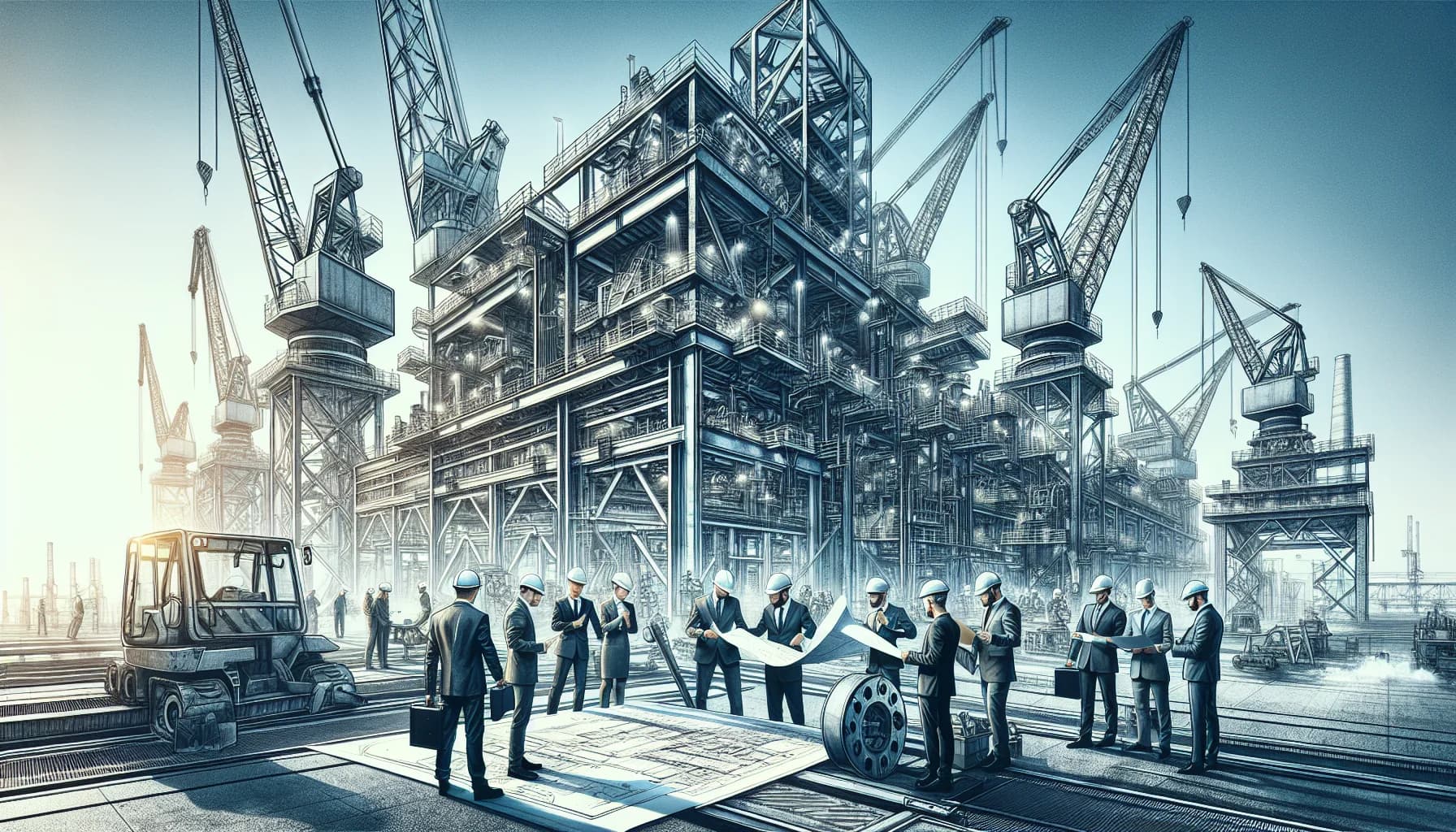
Innovations in Heavy Industry and Engineering: Shaping the Future
Explore groundbreaking innovations in heavy industry and engineering that are transforming the future. Discover trends, technologies, and insights shaping the sector.
Introduction to Heavy Industry and Engineering
Definition and Scope
Heavy industry refers to the sector of the economy that involves the production of large and heavy products, as well as the construction of heavy machinery and infrastructure. This sector encompasses a wide range of activities, from manufacturing and construction to mining and resource extraction. Heavy engineering, a subset of heavy industry, focuses specifically on the design, construction, and maintenance of large-scale industrial systems and machines.
The scope of heavy industry is vast, including industries such as:
- Manufacturing and production of machinery and equipment
- Civil engineering and construction of buildings and infrastructure
- Mining and resource extraction
- Energy production and distribution
- Transportation and logistics
History and Evolution
The roots of heavy industry can be traced back to the Industrial Revolution in the late 18th century, when advancements in technology and manufacturing processes began to transform economies. Key developments included the steam engine, which revolutionized transportation and manufacturing, and the introduction of iron and steel as primary materials for construction and machinery.
Throughout the 19th and 20th centuries, heavy industry evolved significantly. The rise of mass production techniques allowed for the efficient manufacture of goods, and the expansion of the railroads facilitated the transportation of raw materials and finished products. The world wars further accelerated advancements in heavy engineering, as nations sought to improve their industrial capacities for military purposes.
In the latter half of the 20th century, globalization and technological advancements led to the emergence of multinational corporations, which reshaped the landscape of heavy industry. Today, the sector continues to evolve with the integration of digital technologies and automation.
Importance in Modern Economy
Heavy industry is a cornerstone of the modern economy, contributing significantly to GDP and employment in many countries. It plays a crucial role in infrastructure development, which is essential for economic growth and societal progress. The sector provides the foundational materials and machinery needed for other industries, such as construction, energy, and transportation.
Moreover, heavy industry is vital for national security, as it produces equipment and materials necessary for defense and emergency services. The sector also drives innovation through research and development, leading to advancements in engineering and technology that benefit various fields.
Key Sectors of Heavy Industry
Manufacturing and Production
The manufacturing sector of heavy industry is responsible for the production of large machinery, equipment, and various components used in other industries. This sector includes:
- Aerospace Manufacturing:Involves the design and production of aircraft, spacecraft, and associated systems.
- Automotive Manufacturing:Focuses on the production of vehicles and automotive components.
- Shipbuilding:Concerns the construction of ships and marine vessels.
- Industrial Equipment:Encompasses the manufacturing of heavy machinery used in various industries.
Modern manufacturing processes are increasingly adopting automation and robotics to enhance efficiency and reduce labor costs. This shift allows for greater precision in production and the ability to scale operations rapidly.
Construction and Civil Engineering
The construction and civil engineering sector is integral to heavy industry, focusing on the design and construction of infrastructure projects such as roads, bridges, dams, and buildings. Key aspects include:
- Infrastructure Development:Essential for economic growth, infrastructure projects provide the necessary framework for transportation, communication, and utilities.
- Urban Development:Involves the planning and construction of residential and commercial buildings, impacting city landscapes and economies.
- Environmental Engineering:Addresses challenges related to waste management, pollution control, and sustainable practices in construction.
As cities grow and populations increase, the demand for innovative construction solutions and sustainable practices becomes ever more critical.
Mining and Resource Extraction
The mining sector is a crucial part of heavy industry, focusing on the extraction of minerals and resources essential for manufacturing and energy production. This sector includes:
- Metal Mining:Extraction of metals such as iron, copper, and aluminum, which are vital for manufacturing.
- Coal Mining:Significant for energy production and as a raw material for various industries.
- Oil and Gas Extraction:Involves the exploration and production of fossil fuels, critical for energy needs.
Mining operations often face challenges related to environmental impact, safety, and regulatory compliance. Innovations in technology are helping to mitigate these issues while improving efficiency and environmental sustainability.
Technological Advancements in Heavy Industry
Automation and Robotics
Automation and robotics have transformed heavy industry by enhancing productivity and safety. Automated systems allow for precise control and operation of machinery, significantly reducing the risk of human error. Key benefits include:
- Increased Efficiency:Automated processes can operate continuously, leading to higher output and lower production costs.
- Improved Safety:Robots can perform hazardous tasks, reducing the risk of workplace accidents.
- Data Collection and Analysis:Automation systems can gather data for real-time monitoring and predictive maintenance, further optimizing operations.
The integration of Internet of Things (IoT) technologies is also facilitating smarter manufacturing processes, allowing for enhanced communication between machines and systems.
Innovations in Materials Science
Advancements in materials science are crucial to the evolution of heavy industry, enabling the development of stronger, lighter, and more durable materials. Innovations include:
- Advanced Composites:Used in aerospace and automotive industries for their strength-to-weight ratio and corrosion resistance.
- Smart Materials:Materials that can respond to environmental changes, leading to applications in construction and manufacturing.
- Recyclable and Sustainable Materials:Development of materials that reduce environmental impact and promote sustainability in production processes.
Such innovations are essential for improving product performance and reducing the environmental footprint of heavy industry.
Sustainability and Green Technologies
The heavy industry sector is increasingly focusing on sustainability and green technologies to address environmental concerns and comply with regulations. Key initiatives include:
- Energy Efficiency:Implementation of energy-efficient processes and equipment to reduce energy consumption and emissions.
- Renewable Energy:Adoption of renewable energy sources, such as solar and wind, to power industrial operations.
- Waste Management:Development of strategies to minimize waste generation and promote recycling in manufacturing processes.
These efforts not only help mitigate environmental impact but also improve the economic viability of heavy industry through cost savings and enhanced public perception.
Challenges Facing the Heavy Industry Sector
Environmental Impact and Regulations
Heavy industry has historically been associated with significant environmental challenges, including air and water pollution, habitat destruction, and carbon emissions. Stricter regulations and public scrutiny are compelling the sector to adopt more sustainable practices. Key challenges include:
- Compliance with Regulations:Navigating complex environmental regulations can be costly and time-consuming for companies.
- Public Perception:Increasing awareness of environmental issues can lead to public opposition against certain industrial practices.
- Technological Adoption:Transitioning to greener technologies requires investment in research and development, which some companies may find challenging.
Workforce and Skills Gap
The heavy industry sector faces a significant workforce challenge, characterized by an aging workforce and a shortage of skilled labor. As older workers retire, there is a pressing need for younger talent with the necessary skills to operate advanced machinery and technologies. Key aspects include:
- Training and Education:The need for effective training programs to equip workers with modern skills in automation, robotics, and advanced manufacturing techniques.
- Attracting Talent:Strategies to attract younger workers to the industry, including promoting career opportunities and the benefits of working in heavy industry.
- Retention Strategies:Implementing workplace practices that enhance job satisfaction and retain skilled workers.
Global Competition and Economic Factors
The heavy industry sector operates in a highly competitive global market. Economic fluctuations, trade policies, and geopolitical factors can significantly impact operations. Key challenges include:
- Cost Competitiveness:Companies must continually find ways to reduce costs while maintaining quality to compete with global players.
- Trade Barriers:Tariffs and trade restrictions can affect supply chains and market access for heavy industry products.
- Economic Volatility:Fluctuations in demand due to economic downturns can lead to challenges in maintaining production levels and profitability.
The Future of Heavy Industry and Engineering
Trends and Predictions
The future of heavy industry is poised for transformation, driven by several key trends:
- Digital Transformation:The integration of digital technologies, including IoT, big data, and artificial intelligence, is expected to revolutionize operations, leading to smarter and more efficient processes.
- Increased Focus on Sustainability:As environmental concerns continue to escalate, heavy industry will likely prioritize sustainability in its practices and products.
- Global Supply Chain Resilience:Companies will focus on building more resilient supply chains to withstand economic shocks and disruptions.
Investment and Growth Opportunities
As industries evolve, new investment and growth opportunities are emerging in the heavy industry sector. Key areas of potential include:
- Renewable Energy Projects:Investments in renewable energy sources and technologies are expected to grow as the world shifts towards cleaner energy.
- Infrastructure Development:Increasing urbanization and the need for upgraded infrastructure present significant opportunities for growth.
- Research and Development:Companies that invest in R&D for advanced manufacturing techniques and sustainable technologies will likely see competitive advantages.
Role in Sustainable Development
Heavy industry has a crucial role to play in global sustainable development. By adopting eco-friendly practices, investing in clean technologies, and promoting circular economy principles, the sector can contribute to achieving sustainability goals. Key roles include:
- Resource Efficiency:Developing processes that minimize resource consumption and waste generation.
- Clean Technology Innovations:Driving advancements in technologies that reduce emissions and environmental impact.
- Community Engagement:Collaborating with local communities to promote sustainable practices and enhance social responsibility.
Written by Abdul Qudoos
Content creator and writer passionate about sharing knowledge.
View all posts →